Residential Radon Mitigation Services in Albuquerque & New Mexico

Radon Pro of New Mexico offers comprehensive radon mitigation services to protect your home from harmful radon exposure. Our tailor-made systems ensure effective radon reduction to keep families in Albuquerque, Cedar Crest, Santa Fe, Los Alamos, and more safer and healthier.

  • Certified Mitigation Experts
  •  Customized Solutions
  • Fully Insured
  • Quick Installation

How Does Radon Mitigation With Radon Pro of New Mexico Work?

At Radon Pro of New Mexico, we specialize in providing custom radon mitigation solutions designed to reduce harmful radon levels in residential homes effectively. Our certified team utilizes the latest technologies and methodologies to create systems that not only meet but exceed national safety standards. We understand that each home is unique, which is why our approach involves thorough radon testing and evaluations, and precise installations tailored for optimal performance.

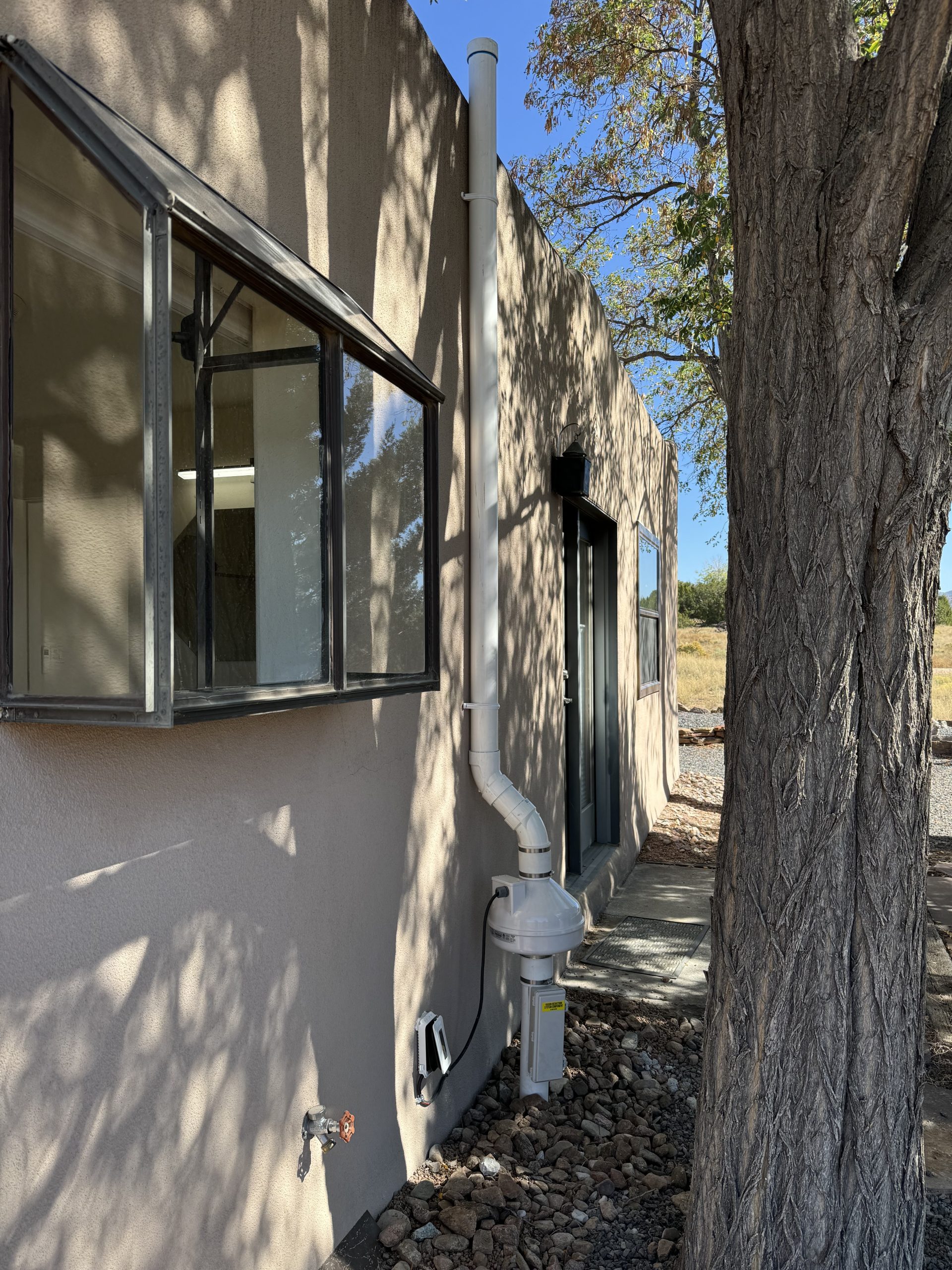
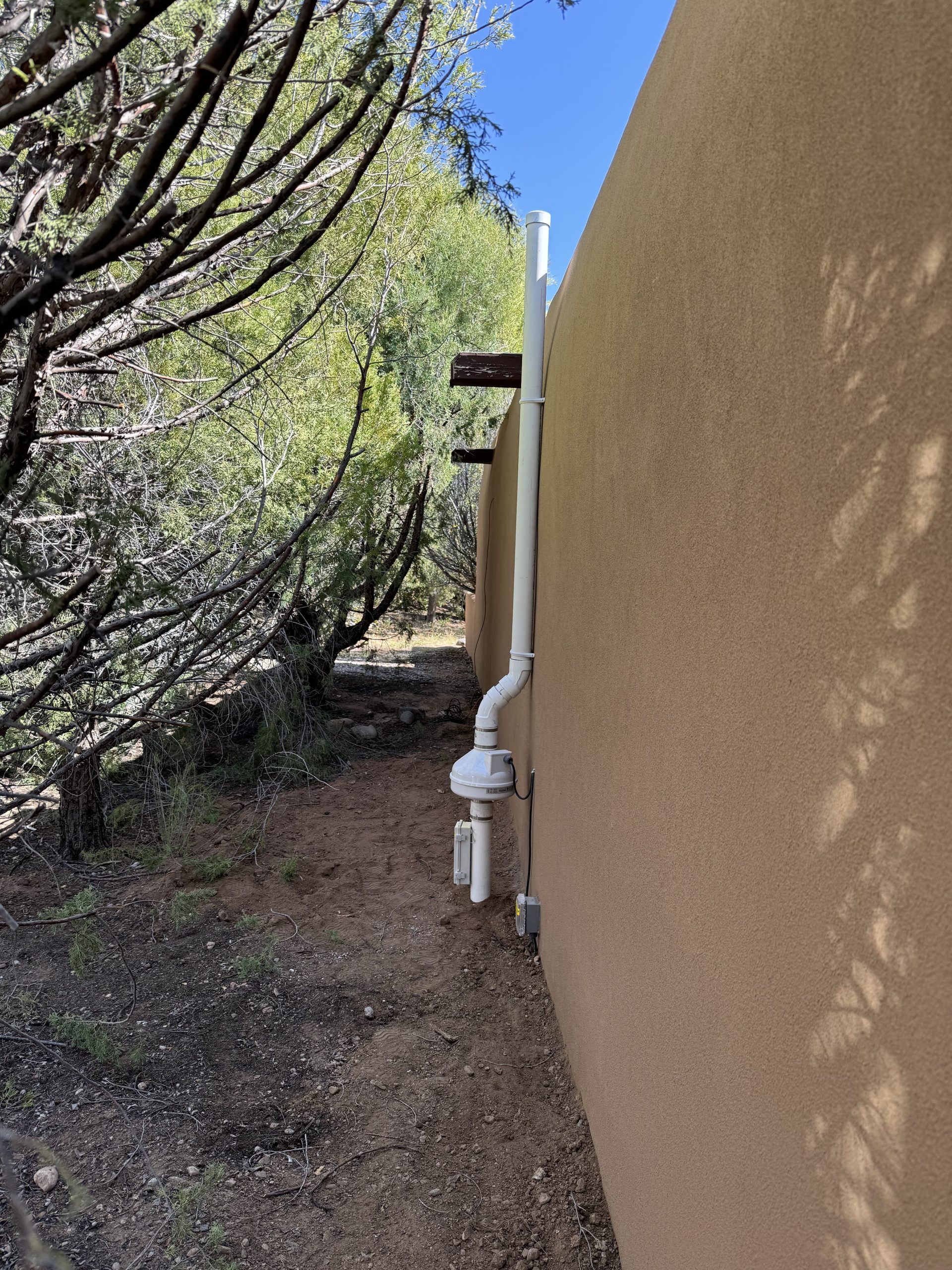
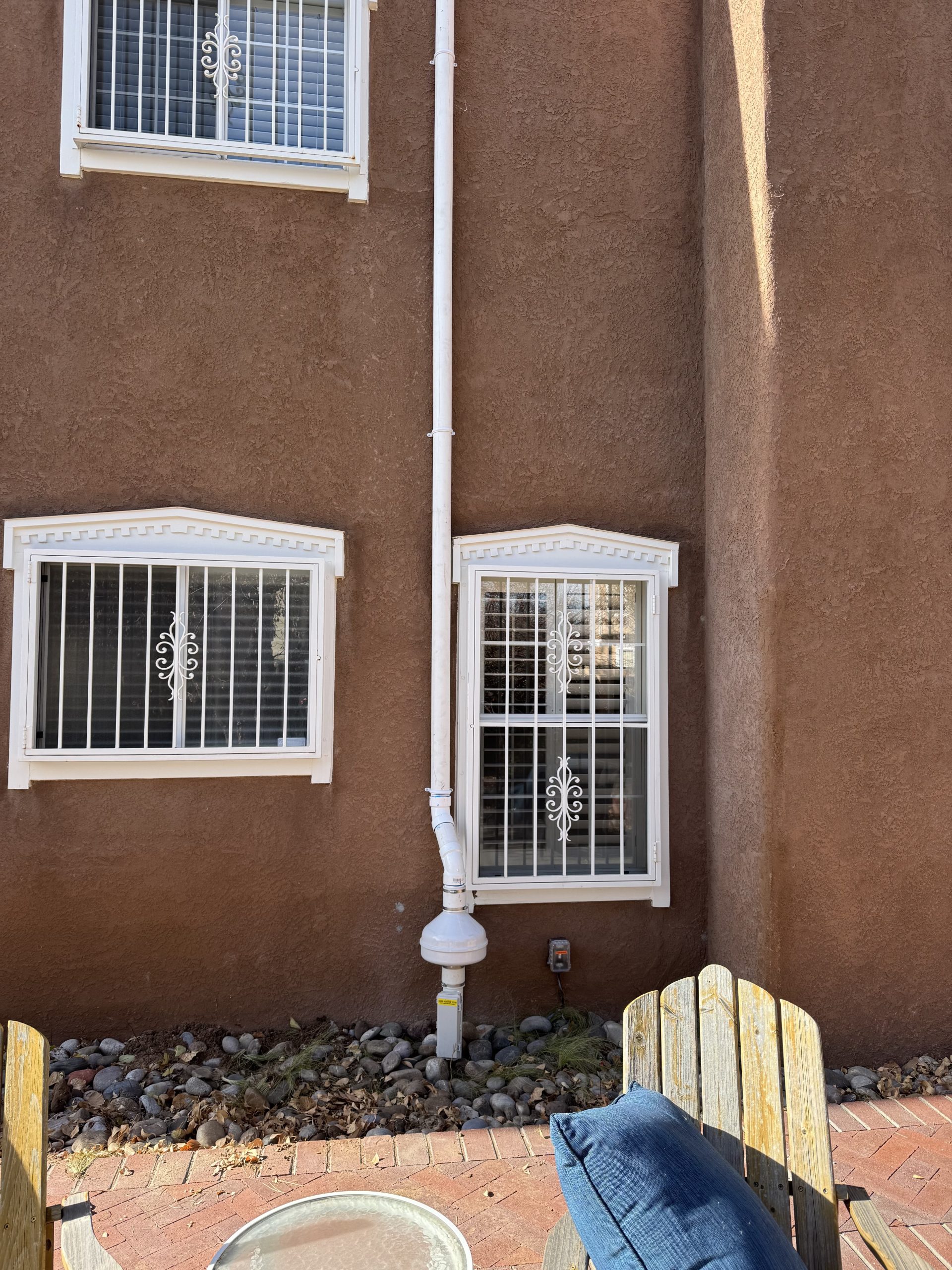
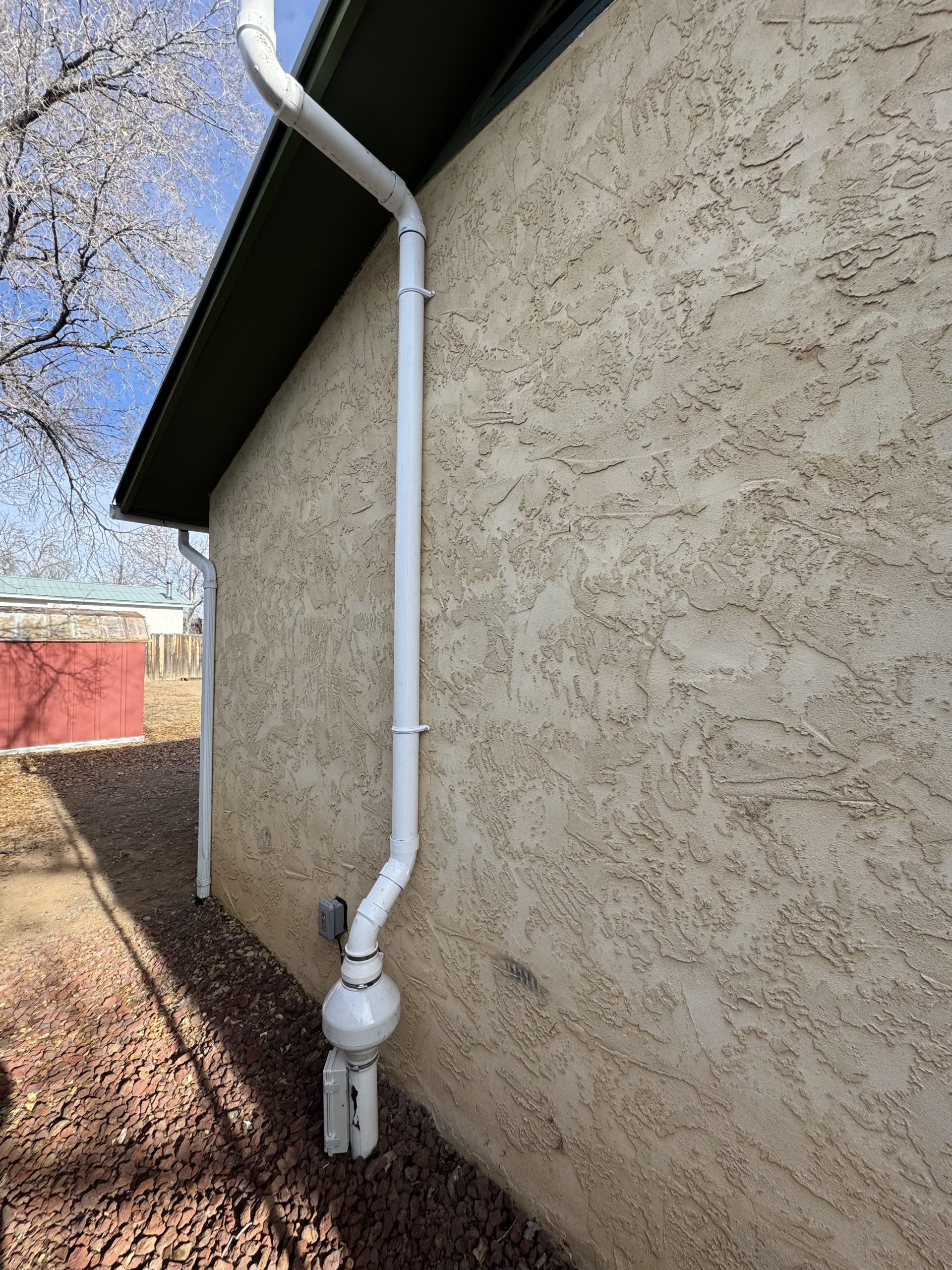
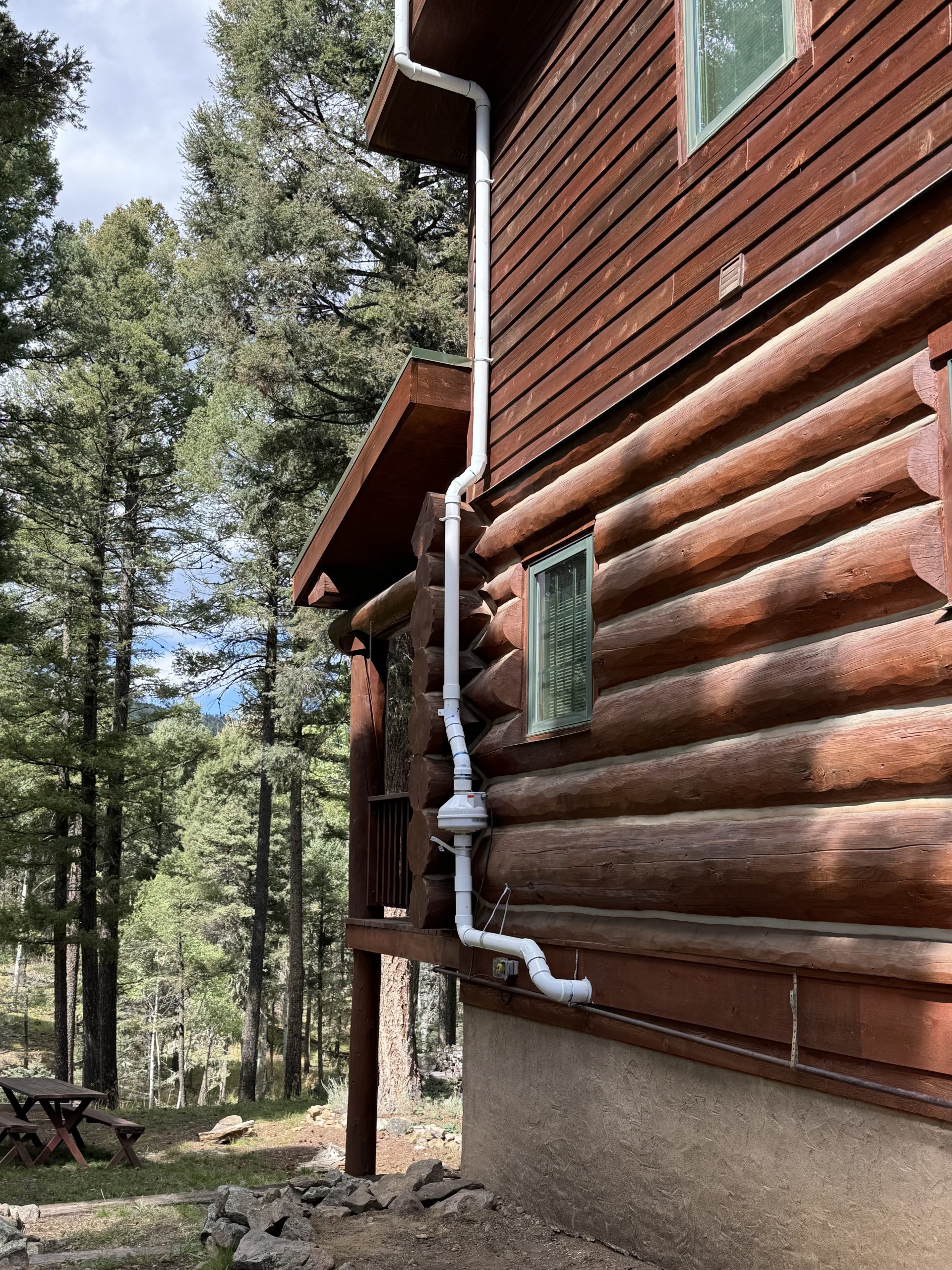
Radon mitigation system installed on residential building exterior in New Mexico

Unique Benefits of Our
Residential Radon Mitigation services

Our expertise in radon mitigation means offering unrivaled service that prioritizes your home’s safety above all else.

Join us for a premium service that ensures safe and livable spaces with low radon threats. Contact us to Discover your mitigation options!

Frequently Asked Questions on Residential Radon Mitigation

Below are answers to common questions about our radon mitigation services. For more information, please contact us.

Radon mitigation is the process of reducing radon gas concentrations in your home to levels below the EPA’s action level of 4.0 pCi/L. The most common and effective method is called Active Soil Depressurization, which works by intercepting radon before it ever enters your living space. The system involves a few key components working together:

  • Suction point. A small hole is drilled through the foundation slab to access the soil beneath your home.
  • PVC piping. A sealed pipe runs from the suction point up through or along the exterior of your home and vents above the roofline.
  • Inline fan. A specialized fan creates continuous negative pressure beneath the slab, drawing radon gas up through the pipe and releasing it harmlessly into the outdoor air.

Every system is custom-designed based on your home’s foundation type, layout, and specific radon levels. Call Radon Pro of New Mexico to learn how we can design the right solution for your property.

In most cases, a radon mitigation system can be fully installed in just one day. The typical installation takes between three and five hours, though the exact timeline depends on your home’s unique characteristics Several factors can influence the length of the installation:

  • Foundation type. Homes with slab-on-grade foundations are generally quicker to work with, while homes with crawl spaces or multiple foundation types may require additional steps.
  • Home size and layout. Larger homes or those with complex floor plans may need multiple suction points or longer piping runs.
  • Accessibility. Easy access to the foundation and attic space helps our technicians work more efficiently.
  • System design. Every system is customized, and more involved configurations naturally take additional time.

Despite these variables, our goal is always to minimize disruption to your daily routine while delivering a properly installed, high-performing system. Call Radon Pro of New Mexico to schedule a consultation and learn what to expect for your specific home.

Radon levels begin to decrease as soon as the mitigation system is activated, but it takes some time for concentrations to fully stabilize. In most cases, homeowners see a significant reduction within the first 24 hours, with levels continuing to settle over the following days.

We recommend waiting at least 24 to 48 hours after the system is running before conducting a post-mitigation test. This allows enough time for the remaining radon gas to clear from your home and for the system to establish consistent airflow beneath the foundation.

Post-mitigation testing is a critical step in the process. It confirms that your system is performing as expected and that radon levels have dropped below the EPA’s action level of 4.0 pCi/L. Our team handles this testing to ensure your results are accurate and reliable.

Radon mitigation is a completely non-invasive process that poses no risk to your home or your family. The system works by redirecting radon gas from beneath your foundation and venting it above the roofline, where it disperses harmlessly into the outdoor air. At no point does the process introduce chemicals, create fumes, or disturb your living space.

The installation itself is clean and efficient, typically completed in a single day with minimal disruption to your routine. Once the system is running, it operates quietly in the background and requires virtually no attention from you.

In fact, a properly installed mitigation system does the opposite of causing concern. It actively improves your indoor air quality and reduces your family’s long-term exposure to a known carcinogen.

One of the greatest advantages of a radon mitigation system is how little maintenance it demands. Once installed, the system runs continuously with minimal need for intervention, making it one of the most low-effort home improvements you can invest in.

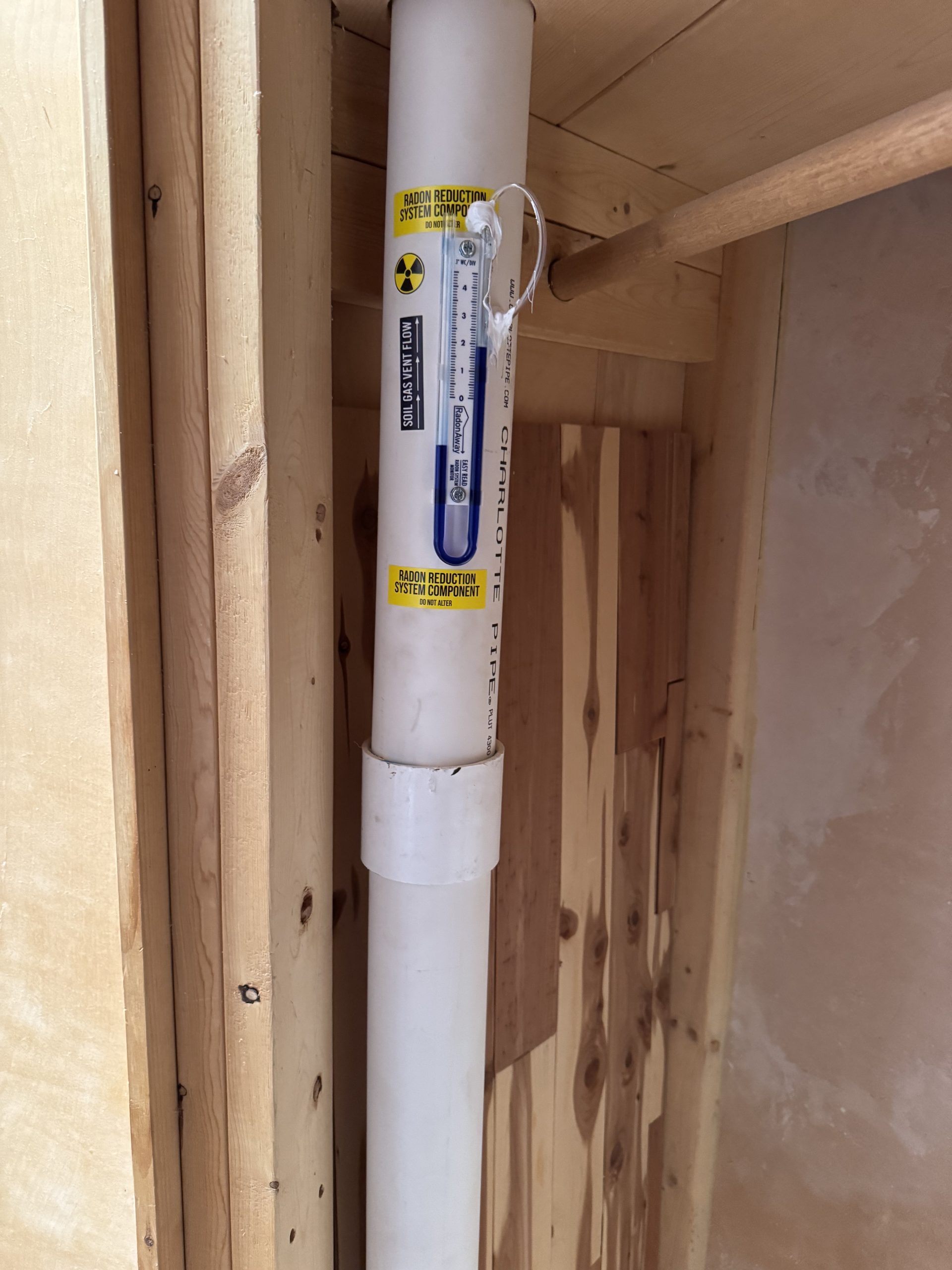
The most important thing you can do is check the system’s manometer regularly. This is a small gauge installed on the PVC pipe that indicates whether the fan is creating proper pressure. A quick glance every few months is all it takes to confirm the system is functioning correctly.

Beyond that, the inline fan is the only mechanical component and typically lasts between seven and ten years before needing replacement. You should also listen for any unusual sounds from the fan, which could signal that it is beginning to wear down.

We recommend scheduling a professional retest of your home’s radon levels every two years to verify that the system continues to perform effectively. If anything needs attention, our team at Radon Pro of New Mexico is always here to help.

Yes, installing a radon mitigation system can positively impact your home’s value in several meaningful ways. Buyers are increasingly aware of radon risks, and a home with a professionally installed system signals that the property has been well cared for and that indoor air quality has been addressed proactively. Here are a few specific ways mitigation adds value:

  • Eliminates a deal breaker. High radon levels discovered during a buyer’s inspection can stall or kill a sale entirely.
  • Reduces negotiation leverage. Without a system in place, buyers often request price reductions to cover the cost of future mitigation.
  • Builds buyer confidence. A documented history of testing and mitigation reassures buyers that the home has been properly maintained.
  • Demonstrates investment in health. Families with children or long-term homeownership plans find significant appeal in a home with clean indoor air.

The relatively modest cost of mitigation is a small price to pay compared to the potential return it delivers at the time of sale.

Not necessarily, but renovations can absolutely affect how your existing system performs. Major projects like finishing a basement, adding square footage, or altering your foundation can change the airflow dynamics beneath your home and create new entry points for radon gas. Even smaller changes to your HVAC system or ductwork can influence how radon moves through your living space. These shifts may reduce the effectiveness of your current mitigation setup without any obvious warning signs.

The best course of action after any significant renovation is to schedule a professional retest of your home’s radon levels. If the results show that concentrations have risen above the EPA’s action level of 4.0 pCi/L, your system may need to be adjusted, expanded, or reconfigured to account for the changes. Our team at Radon Pro of New Mexico can evaluate your current system and recommend the right solution.

Radon is an invisible, odorless gas, which means there are no physical warning signs to alert you to its presence. The only way to determine whether your home has elevated radon levels is through professional testing. Once testing is complete, your results are measured in picocuries per liter of air, or pCi/L, and compared against established guidelines.

  • Below 2.0 pCi/L. Levels are considered low, though no level of radon exposure is completely without risk.
  • Between 2.0 and 4.0 pCi/L. The EPA suggests considering mitigation in this range, as prolonged exposure can still pose health concerns.
  • At or above 4.0 pCi/L. This is the EPA’s action level, and mitigation is strongly recommended to reduce your family’s exposure.

If you are unsure where your home stands, radon testing is the fastest and most reliable way to find out.

Yes, and newly constructed homes actually present an ideal opportunity to address radon before it ever becomes a problem. Many new builds in New Mexico already include passive radon-resistant features such as gravel beds beneath the slab, sealed foundation membranes, and PVC piping routed through the structure. These elements are built into the home during construction and serve as the foundation for a full mitigation system if one is ever needed.

If testing after construction reveals elevated radon levels, activating the passive system is a straightforward process. In most cases, it simply involves adding an inline fan to the existing piping to create active depressurization beneath the slab. This upgrade is far less invasive and more cost-effective than retrofitting a system into an older home. Whether your home is still being built or was recently completed, our team at Radon Pro of New Mexico can help ensure your indoor air quality is properly addressed from day one.

The cost of radon mitigation varies from home to home, which is why we encourage homeowners to reach out directly for a personalized estimate. Factors such as your home’s foundation type, size, layout, and the severity of radon levels all play a role in determining the scope of the project and overall pricing. A home with a simple slab foundation, for example, will typically cost less to mitigate than one with a crawl space or multiple foundation types.

Our team is happy to walk you through the details and provide transparent pricing after evaluating your specific situation.

Radon Pro of New Mexico aims to provide timely and efficient service to address your radon concerns. Typically, our contractors can schedule a visit within one to two weeks of your inquiry. We understand the urgency of dealing with radon issues and work hard to accommodate every customer’s schedule. With over 15 years of experience, our team ensures prompt and professional service for every project. When you reach out, you can expect:

  • Flexible coordination. Our team works closely with you to find the most convenient timing for your schedule.
  • Customer-first approach. Every project receives the same level of attention and commitment to satisfaction, regardless of scope.
  • Proven expertise. Our strong focus on quality and professionalism means you are in experienced hands from the very first call.

Reach out today to schedule your site visit and get the process started.

Our Radon mitigation Process

Witness the Excellence in Radon Mitigation

Explore the high-quality radon mitigation projects completed by Radon Pro of New Mexico. Our gallery highlights the precision and dedication we bring to every home to ensure effective radon reduction.

Why Choose Us

Radon Pro New Mexico stands out with an unwavering commitment to safeguarding your home with precision and care.

Certified, Trusted, and Experienced
What our customers say about us

See more reviews >

You can also rely on Radon Pro of New Mexico for commercial radon mitigation.